 · EST. 1998
Modest Fashion Wholesale: What Sells in the Gulf & Africa
Two buyers order the same dress. In Riyadh it sells out; in Lagos it sits. The difference is rarely the design — it is sleeve length, hem length, fabric weight and colour. Here are the specifics.
"Modest fashion" is treated as a mood board when it is actually a set of measurements. A buyer in Jeddah and a buyer in Accra may both describe what they want as modest, and mean garments that differ by 15 cm of hem, a full colour family and 40 grams of fabric weight. Getting those specifics right is the difference between a style that reorders and one that gets marked down. This guide sets out what actually moves in Middle Eastern and African markets, in numbers you can put in an order. Disentis Modest has produced in our own Istanbul workshop since 1998 across 600+ models in sizes 34–60, and these two regions are among our largest.
Modest Is a Specification, Not a Vibe
Before regional differences, there is a baseline. If a garment fails these points, no amount of styling saves it — customers reject it in the fitting room, and the piece comes back or sits on the rail.
- Sleeve length. Full sleeves ending at the wrist bone are the safe default. Three-quarter sleeves sell in parts of West Africa and struggle in the Gulf. Sleeveless is a layering piece, not a standalone.
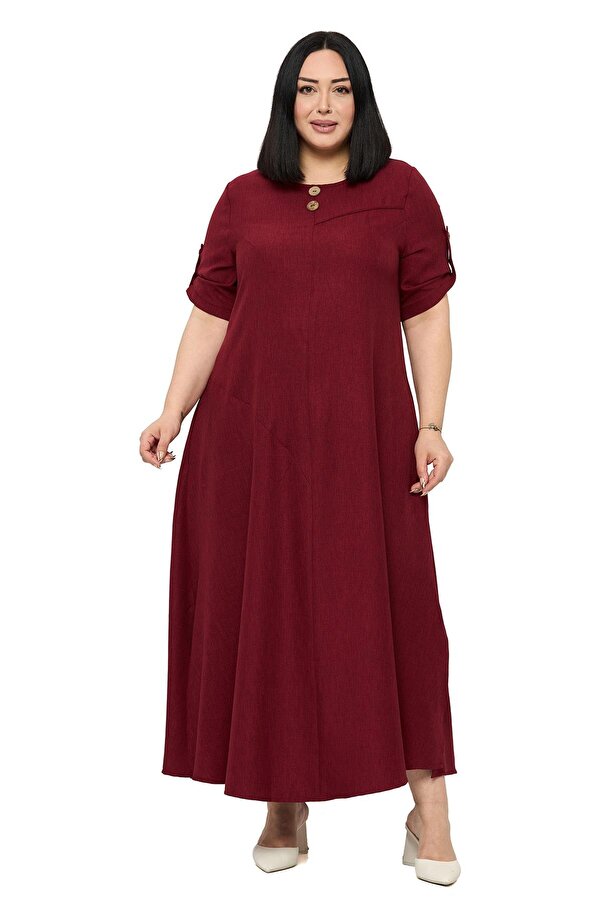
- Hem length. Maxi means 135–150 cm from shoulder to hem for a plus-size fit; midi means 110–120 cm. Anything that lands mid-calf on a size 54 will land above the calf on a size 60 — check the length on your largest size, not your smallest.
- Neckline depth. No more than 6–8 cm below the collarbone, and no gaping at the bust when the wearer sits.
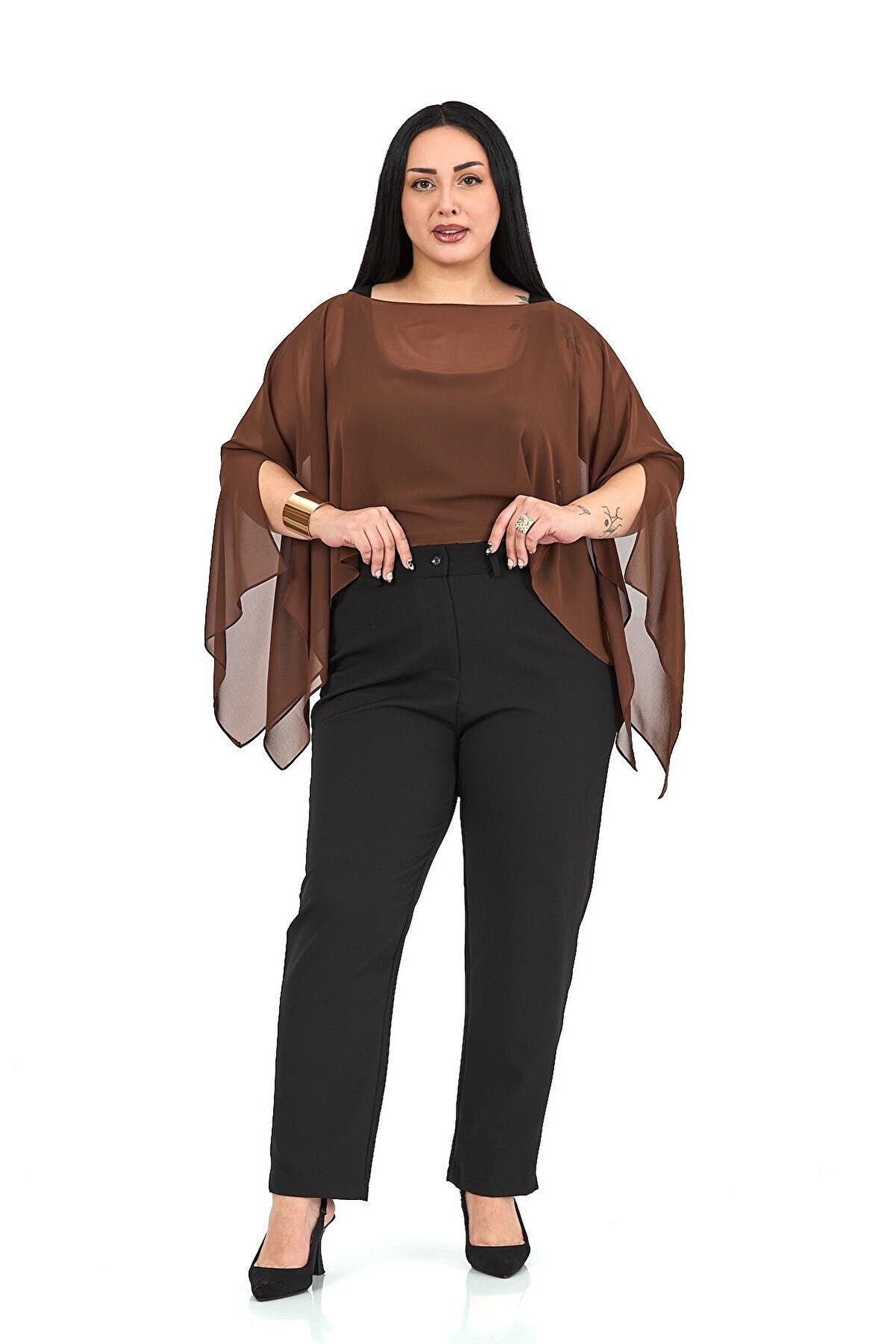
- Opacity. This is the most common failure. Fabrics below roughly 120 g/m² need lining. The 30-second test: hold the fabric 30 cm from a window; if you can read your hand through it, so can everyone in the street.
- Ease at the hip. For loose silhouettes, 20–30 cm of ease over the body measurement. A garment that drapes on a size 46 can cling on a size 56 if the grading was lazy.
- Slit and closure detail. Side slits above the knee, deep back zips and wrap fronts that shift when walking all convert badly, however well the piece photographs.
Practical tip: write your five non-negotiables — sleeve, hem, neckline, lining, hip ease — on one line and send it with every enquiry. Suppliers can answer a specification in a minute; they cannot answer "is it modest?" at all.
What Sells in the Gulf and Wider Middle East
The defining constraints here are heat, formality and layering. Customers want full coverage without weight, and pieces that read as considered rather than plain.
- Long, fluid outer layers. Kimonos and kaftans are the anchor category — open-front pieces at 130–145 cm that finish an outfit and solve coverage at once.
- Breathable fabric above all. Viscose blends at 180–220 g/m² and light crepes at 200–230 g/m² outperform heavy polyester, which is uncomfortable in high heat regardless of how well it drapes.
- Muted and neutral palettes lead: black, sand, beige, stone, sage, dusty rose, deep navy. Colour comes through embroidery, texture and trim rather than saturation.
- Occasion dressing carries the margin. Evening dresses with full sleeves and covered backs sell at 2.8–3.2× landed cost, far above daywear.
- Size range skews 46–56, with 50 and 52 as the depth sizes in most boutiques.
- Length matters more than anything else. A dress that is 5 cm too short is unsellable in this market; the same dress 5 cm too long is simply hemmed.
What Sells in West Africa
Nigeria and Ghana operate on a different logic: colour is confidence, occasions are frequent and social, and fit runs hip-dominant. The same coverage rules apply less strictly, but the commercial rules are sharper.
- Saturated colour and print sell; muted neutrals sit. Jewel tones, strong prints and contrast trims move fastest. The beige that empties in Dubai will still be on your rail in Lagos.
- Occasion dressing is close to constant. Weddings, naming ceremonies and church events run all year and often follow a weekend cycle, so demand is steady rather than concentrated in a few weeks.
- Group-dressing culture rewards depth. Where guests coordinate outfits for an event, a single style can be ordered in six or eight pieces at once — so having depth in one strong model beats having one piece of eight models.
- Elastic and tie waists outsell fixed waists. Hip-to-waist difference is larger on average, so a fixed-waist dress that fits the hip is often loose at the waist. Elasticated and drawstring waists solve it without alteration.
- Co-ord sets perform strongly — high perceived value, one SKU, and they photograph as two looks for social selling.
- Size range skews 50–58, with depth in 52 and 54. Ordering a 46-48-50-52 spread here leaves you with dead stock at the bottom.
The Overlap: Pieces That Work in Both Regions
If you sell into both, or you are not yet sure which way your customer base leans, these are the lowest-risk categories to hold.
- Long-sleeve maxi dresses in a drapey viscose. Coverage that satisfies the Gulf, silhouette that works in West Africa, and the fabric weight suits heat in both.
- Tunics at 90–105 cm worn over trousers. Universally accepted, easy to size, and they forgive fit variation better than fitted dresses.
- Open-front kimonos. They cover without constraining, layer over almost anything, and work as both a modesty solution and a styling piece.
- Wide-leg trousers with elasticated waists. These sell everywhere and reduce the fit risk that makes bottoms a difficult category.
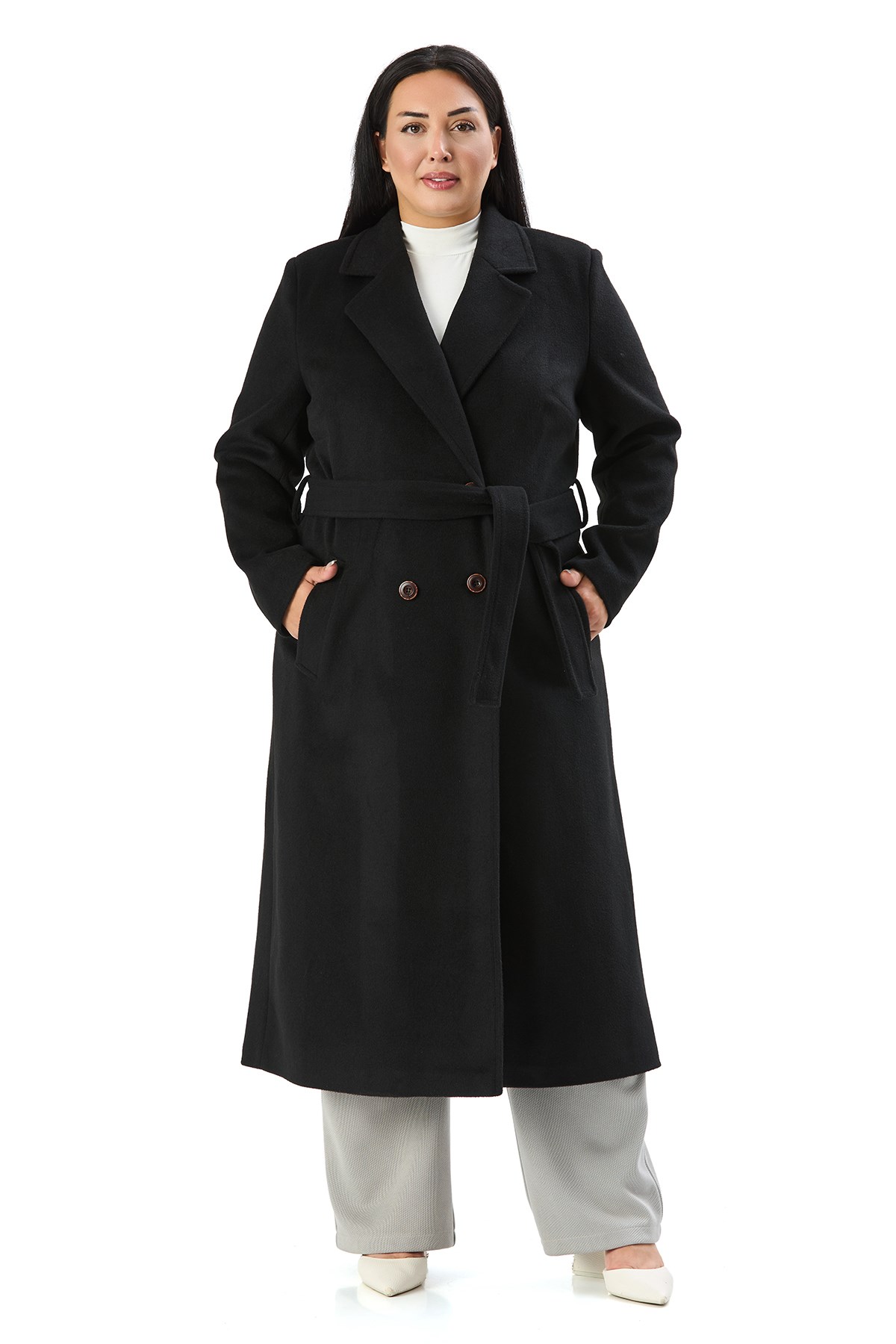
- What does not travel: sleeveless bodycon, sheer unlined fabrics, mini and short-midi lengths, and heavy winter coats into hot-climate markets.
Practical tip: if you are new to either market, put 60% of your first order into the overlap list above and 40% into region-specific bets. You will learn which side your customer sits on within one selling month, and the overlap stock keeps earning while you learn.
Demand Cycles and When to Actually Order
The collection is not seasonal, but demand is — and buyers consistently order too late for the peaks that matter most in these markets.
- Ramadan and Eid drive the single biggest peak across Middle Eastern markets and Muslim communities in Africa. Customers buy occasion pieces in the weeks before Eid, which means your goods need to be on the shelf, not in transit.
- Work backwards 8–10 weeks. Order confirmation and payment take about a week, production and packing 3–7 days, air express 3–6 working days plus 2–4 days clearance. That is 3–4 weeks minimum, and you want 4–6 weeks of selling time before the peak.
- If you ship by sea, work backwards 14–16 weeks. A 25–45 day transit plus clearance makes late ordering irrecoverable.
- West African wedding demand is steadier, which is an advantage: it lets you reorder on a fixed 4–6 week cycle rather than gambling on a single peak.
- Reorder the winners at week four, not week twelve. In group-dressing markets especially, a style that sells out and does not return loses you the whole social chain behind it.
Turning This Into an Order
The practical version of everything above is a short list and a short spec. Nothing here requires a custom programme.
- Choose your curve by region: 48-50-52-54 for the Gulf, 50-52-54-56 for West Africa, weighted 1-2-2-1.
- Lead with two categories, not six. Long-sleeve maxi dresses plus kimonos or co-ord sets will tell you more in one month than a scattered assortment.
- Build the list on the collection page, choosing models, sizes within 34–60 and quantities, and send it on WhatsApp to +90 555 336 47 86.
- Check the total against the $400 minimum order — typically 25–35 pieces in dresses and tops, or 12–20 in outerwear.
- Pay against the proforma invoice by bank transfer, commonly 70% deposit and 30% before shipping. We ship worldwide; give us the destination city so the proforma shows real freight.
Everything is cut and sewn in our own Istanbul workshop, which is why the coverage specifications stay consistent across models — a sleeve that ends at the wrist on one dress ends at the wrist on the next, in every size from 34 to 60. In modest wholesale that consistency is not a detail. It is the entire product.
Frequently asked questions
What does modest fashion mean in wholesale terms?
It means a specification, not a style mood: full sleeves to the wrist, maxi hems of 135–150 cm on plus sizes, necklines no more than 6–8 cm below the collarbone, lining on fabrics under roughly 120 g/m², and 20–30 cm of ease at the hip. Any garment failing these points gets rejected in the fitting room regardless of design.
What sells best in Middle Eastern plus-size boutiques?
Long fluid outer layers such as kimonos and kaftans at 130–145 cm, long-sleeve maxi dresses in breathable viscose at 180–220 g/m², and covered evening pieces. Muted palettes — black, sand, beige, sage, dusty rose — outperform saturated colour, and occasion dressing carries the highest margin at 2.8–3.2× landed cost.
What sells best in Nigeria and Ghana?
Saturated colour, strong prints, co-ord sets and elastic or tie-waist styles. Occasion dressing runs year-round rather than in short peaks, and group-dressing culture means one strong style can be ordered six or eight pieces at a time. Muted neutrals that sell in the Gulf tend to sit on the rail in West Africa.
What size range should I order for these markets?
The Gulf skews 46–56 with depth in 50 and 52, while West Africa skews 50–58 with depth in 52 and 54. Use a four-size curve weighted 1-2-2-1 rather than spreading across seven sizes. A 46-48-50-52 spread ordered for West Africa usually leaves dead stock in the smallest sizes.
Which pieces work in both Middle Eastern and African markets?
Long-sleeve maxi dresses in drapey viscose, tunics at 90–105 cm, open-front kimonos and wide-leg elasticated trousers. These four cover the majority of demand in both regions and carry the lowest fit risk. Sleeveless bodycon, sheer unlined fabrics and short lengths do not travel to either.
How far in advance should I order for Eid?
Work backwards 8–10 weeks if shipping by air and 14–16 weeks by sea. Ordering and payment take about a week, production and packing 3–7 days, air express 3–6 working days plus 2–4 days clearance — and you want 4–6 weeks of selling time on the shelf before the peak, not goods arriving during it.
How do I check whether a fabric is opaque enough?
Hold the fabric about 30 cm from a window in daylight and place your hand behind it. If the outline of your hand is clearly visible, the garment needs lining. As a rule, woven and jersey fabrics below roughly 120 g/m² should be lined, and lining is the single most common reason a modest garment gets returned.
What is the minimum order and how do I place it?
The minimum order is $400, typically 25–35 pieces in dresses and tops or 12–20 in outerwear. Build your list on the collection page with models, sizes within 34–60 and quantities, then send it via WhatsApp to +90 555 336 47 86. You receive a proforma invoice and pay by bank transfer, commonly 70% deposit and 30% before shipping.