 · EST. 1998
Wholesale Occasionwear: Buying Evening Dresses & Co-ord Sets
Occasionwear carries the best margins in a plus-size boutique and the highest risk of dead stock. This guide covers what sells where, how deep to buy by size, and how to time the order.
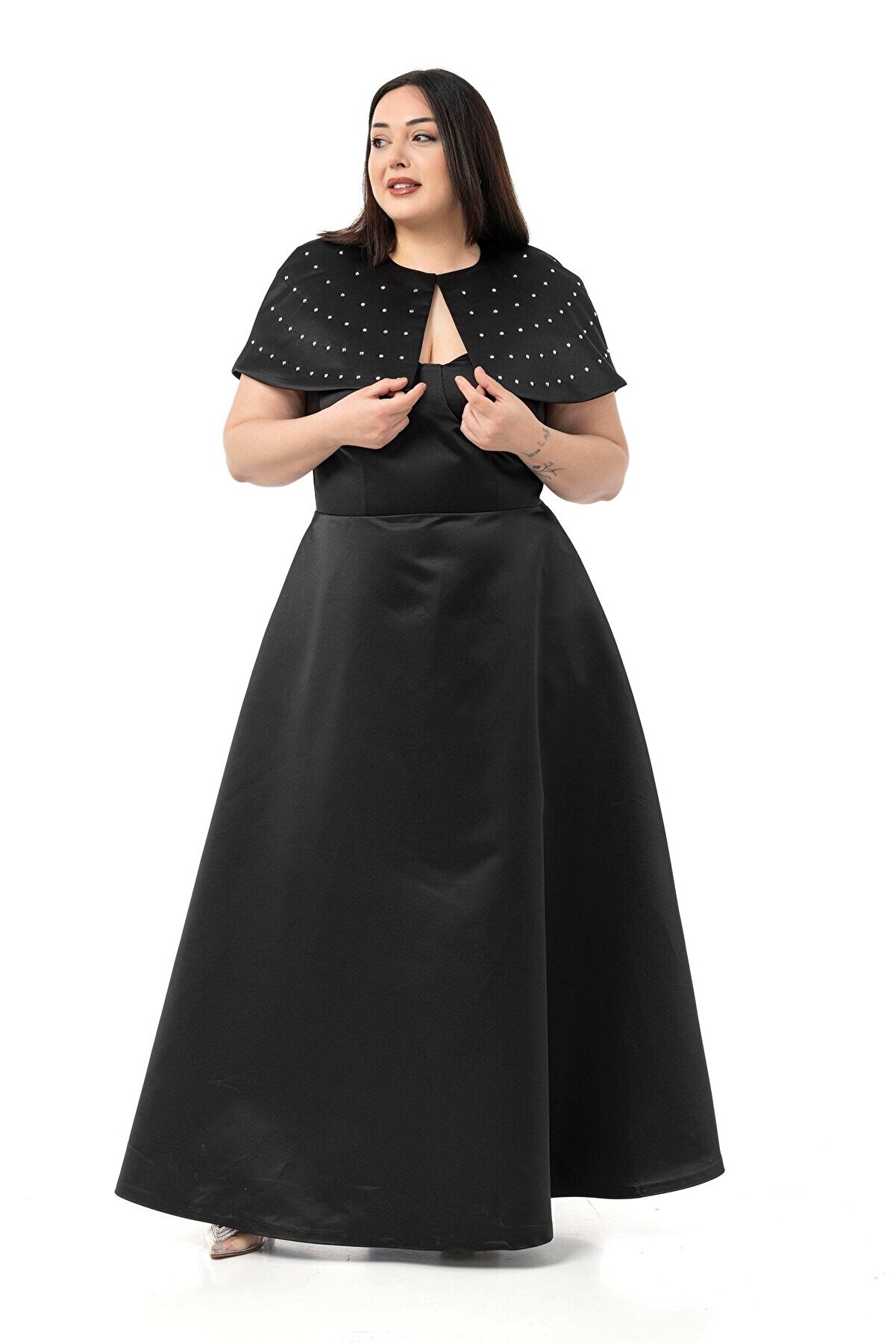
Occasionwear is the most profitable category in most plus-size boutiques and the fastest way to tie up cash in stock that will not move. Both things are true at once. A single evening dress can carry double the margin of a t-shirt, but if you buy the wrong length, the wrong size depth or the wrong price point, it sits on the rail while your basics sell out three times over.
This guide is about buying occasionwear deliberately: what your market is actually dressing for, how many pieces per size to take, where co-ord sets fit, and what to check before you confirm the order.
Why Occasionwear Behaves Differently From Everyday Stock
Everyday stock sells on convenience. Occasionwear sells on emotion and on a fixed date. That difference changes almost every buying decision you make.
- Higher margin, slower turn. Boutiques commonly work occasionwear at a 2.2 to 2.8 times markup on landed cost, against roughly 2 to 2.4 on basics — but a basic may turn six times a year and an occasion dress twice.
- The customer arrives with a deadline. She needs it for a wedding on the 14th. If you do not have her size in the room, she does not wait for a reorder — she buys elsewhere.
- Size depth matters more than style breadth. Ten styles with only one size each will disappoint nine customers. Four styles with a proper size run will sell.
- Returns are rarer but louder. Occasion purchases are tried on carefully and photographed. Quality problems get talked about far more than they do on a basic tunic.
The practical conclusion: buy fewer occasion styles than you are tempted to, and buy each of them deeper.
What Actually Sells, by Market
Occasion demand is not global. It is local, and it follows the events your customers are actually attending. These are patterns we see repeatedly across the markets we ship to.
West Africa
Weddings, naming ceremonies, church anniversaries and family celebrations drive a near-constant occasion calendar rather than a few peaks. Demand skews to strong colour, presence and fabrics that hold a shape in heat: crepe and heavier viscose blends over anything clingy. Longer lengths sell better than mid-length, sleeves are frequently required, and full-length styles in sizes 50 to 60 sell out fastest almost everywhere. Two-piece sets do very well because they photograph as an outfit.
Middle East and Muslim-majority markets
Demand concentrates sharply around Ramadan, both Eids and the wedding periods that follow them. The buying window opens four to eight weeks before, which means your order must be placed well before that. Requirements are specific and non-negotiable: full-length, long sleeves, high neckline, and lining that is genuinely opaque rather than nominally present. Kaftan-style and loose occasion pieces sell alongside fitted evening dresses, not instead of them.
Latin America
Quinceañeras, baptisms, godmother roles, graduations and civil weddings create steady demand for what buyers describe as elegant but wearable — a dress that works for a daytime church event and an evening reception. Mid-calf and full-length both sell; sleeve preference is more varied than in other markets. Price sensitivity is higher, so a strong mid-price band matters more than a small number of expensive pieces.
Europe
Wedding-guest dressing dominates, alongside work-adjacent events and family celebrations. Buyers here tend to want restraint: fewer embellishments, better fabric, cleaner lines. Co-ord sets in a good crepe often outperform a decorated dress at the same price.
Practical tip: before you build an occasion order, write down the three events your customers actually attend most often. Buy for those three, not for the general idea of a party.
How Deep to Buy, and at Which Price Points
A workable structure for a boutique that already sells everyday plus-size clothing:
- Occasionwear as 15–25% of your total buy. Below 15% and you cannot serve a customer with a date; above 25% and you are financing stock that turns slowly.
- Four to six occasion styles at a time, not twelve. Depth beats breadth in this category.
- A weighted size curve. A flat 1-1-1-1 across the range wastes money. In plus-size occasionwear, demand concentrates around sizes 46 to 54, so a curve such as 1-2-3-3-2-1 across your range will usually outsell an even spread.
- Three price points, not one. An entry piece, a core piece and one statement piece per delivery gives the customer a choice and gives you a margin anchor.
- One of your styles should be a co-ord set. More on this below.
Landed cost matters here more than unit price. A dress that is $4 cheaper ex-works but weighs 300 g more is often the more expensive dress by the time it reaches your shop, particularly on air freight. Compare on cost per hanging piece delivered, not on the invoice line.
Co-ord Sets: The Quiet Workhorse
Two-piece sets deserve more attention than most buyers give them, because they solve a problem specific to larger sizes: a woman whose top and bottom measurements sit in different sizes does not have to compromise, and a set can be sold as one outfit or as two separates that keep selling after the occasion has passed.
They also photograph exceptionally well, which matters if a large share of your sales starts on Instagram or WhatsApp. Our co-ord sets are bought by boutiques both as occasion pieces and as elevated everyday stock, which is exactly why they carry less markdown risk than a heavily decorated dress.
The practical advantage at the till
If a customer buys a set and later returns for a matching or contrasting piece, you have a second sale from the same fitting-room visit. Very few pure occasion dresses generate that.
Fabric and Fit Above Size 46
Occasionwear fails on fabric more often than on design. Five checks before you confirm:
- Opacity under tension, not flat. A fabric can be perfectly opaque on a table and transparent across a hip at size 54. Ask for a photo of the fabric stretched against light.
- Lining graded to the same size as the shell. A lining cut one size small is the most common reason a dress feels restrictive despite correct outer measurements.
- Weight suited to climate. Crepe and sandy-finish fabrics in the 190–260 g/m² range travel and drape well in hot markets; heavier structured fabrics at 250–320 g/m² suit cooler markets and more sculpted shapes.
- Sleeve and armhole measurements specifically, not just chest and waist. Armhole tightness is the single most common complaint in sizes 50 to 60.
- Length in the largest size. Some suppliers keep the same length across the whole range, which makes a full-length dress mid-calf on a taller customer at size 58. Ask whether length is graded.
Practical tip: ask for the flat measurements of your largest size, not the size chart, and ask specifically for sleeve opening and armhole depth. Those two numbers predict more occasionwear returns than any other.
Timing and Placing the Order
Work backwards from the event, not forwards from today. Your customer buys four to eight weeks before her occasion, shipping takes its own time, and production needs its window before that. In practice this means placing an occasion order comfortably ahead of the demand period you are buying for, and reordering your best seller as soon as it proves itself rather than waiting for it to sell out.
We produce in our own workshop in Istanbul and have done since 1998, with more than 600 models in sizes 34 to 60, which means a proven style can be repeated rather than chased across the market. Browse the evening dresses and the wider collection, build your order list on the site, and send it to us on WhatsApp at +90 555 336 47 86. The minimum order is $400, we issue a proforma invoice and work with bank transfer — commonly 70% to start production and 30% before dispatch — and we ship worldwide.
Occasionwear rewards the buyer who is specific. Choose fewer styles, go deeper on the sizes your customers actually wear, and buy for the events on your own calendar rather than someone else's.
Frequently asked questions
What percentage of a boutique's stock should be occasionwear?
For most plus-size boutiques, 15 to 25 percent of the total buy is a workable range. Below 15 percent you cannot serve a customer who arrives with a wedding date and a specific size need. Above 25 percent you are tying up cash in a category that turns roughly twice a year rather than five or six times, unless your shop is specifically known for occasion dressing.
Which sizes sell fastest in plus-size evening dresses?
Demand concentrates around sizes 46 to 54 in most markets, with sizes 50 to 60 selling out fastest in West Africa in particular. A flat one-piece-per-size buy wastes money at both ends of the range. A weighted curve such as 1-2-3-3-2-1 usually outsells an even spread, and you should adjust it after two deliveries based on your own sales data.
Are co-ord sets better than dresses for occasionwear?
They are not better, but they carry less risk. A two-piece set fits a customer whose top and bottom measurements fall in different sizes, can be worn as separates after the event, and photographs well for social selling. Most boutiques do best with a mix, keeping at least one co-ord set among every four to six occasion styles they buy.
How far in advance should I order occasionwear?
Work backwards from the events your customers attend. Customers typically buy four to eight weeks before an occasion, and shipping plus production needs its own window before that, so the order should be placed comfortably ahead of that buying period. Reorder a proven style as soon as it demonstrates itself rather than waiting until the rail is empty.
What fabric works best for plus-size evening dresses?
Crepe and sandy-finish fabrics in roughly the 190 to 260 g/m² range drape well and hold shape without clinging, which suits sizes above 46. Heavier structured fabrics in the 250 to 320 g/m² range suit more sculpted silhouettes and cooler climates. What matters most is opacity when the fabric is stretched over the hip, and a lining graded to the same size as the outer fabric.
Why do occasion dresses get returned in larger sizes?
The most common causes are armhole and sleeve tightness, a lining cut smaller than the shell, and loss of opacity when the fabric is stretched. All three are grading and specification issues rather than design problems. Request the flat measurements of your largest size including sleeve opening and armhole depth, and ask whether length is graded across the range.
How much margin should occasionwear carry?
Boutiques commonly work occasionwear at a markup of about 2.2 to 2.8 times landed cost, compared with roughly 2 to 2.4 times on basics, reflecting the slower turn and the higher service level involved. Always calculate on landed cost including freight and duty rather than the invoice price, because a heavier dress can quietly cost more to deliver than a cheaper-looking alternative.
Can I order a mix of evening dresses and everyday styles in one order?
Yes, and for most boutiques that is the sensible approach, because it spreads freight cost across a broader assortment. At Disentis Modest the minimum order is $400 and can be built from any combination of categories, including evening dresses, co-ord sets and everyday pieces. Build the list on the site and send it over WhatsApp for a proforma invoice.