 · EST. 1998
Wholesale Plus-Size Clothing for Gulf Boutiques: Dubai, Riyadh & Doha Buyer's Guide
Strong, year-round demand for modest silhouettes in sizes most European brands stop making — and a supplier three flight-hours away. How to build a Gulf assortment from Istanbul, step by step.
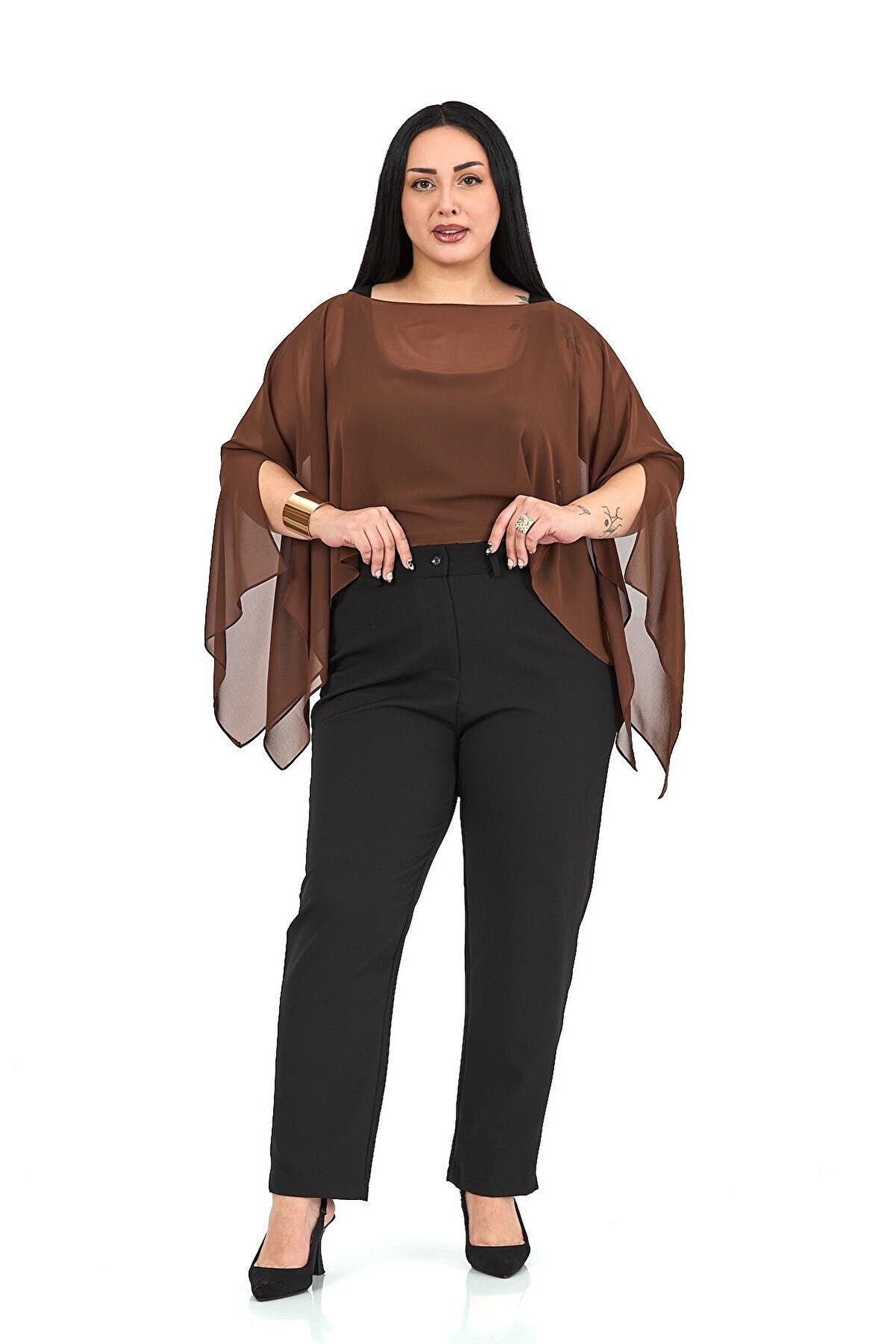
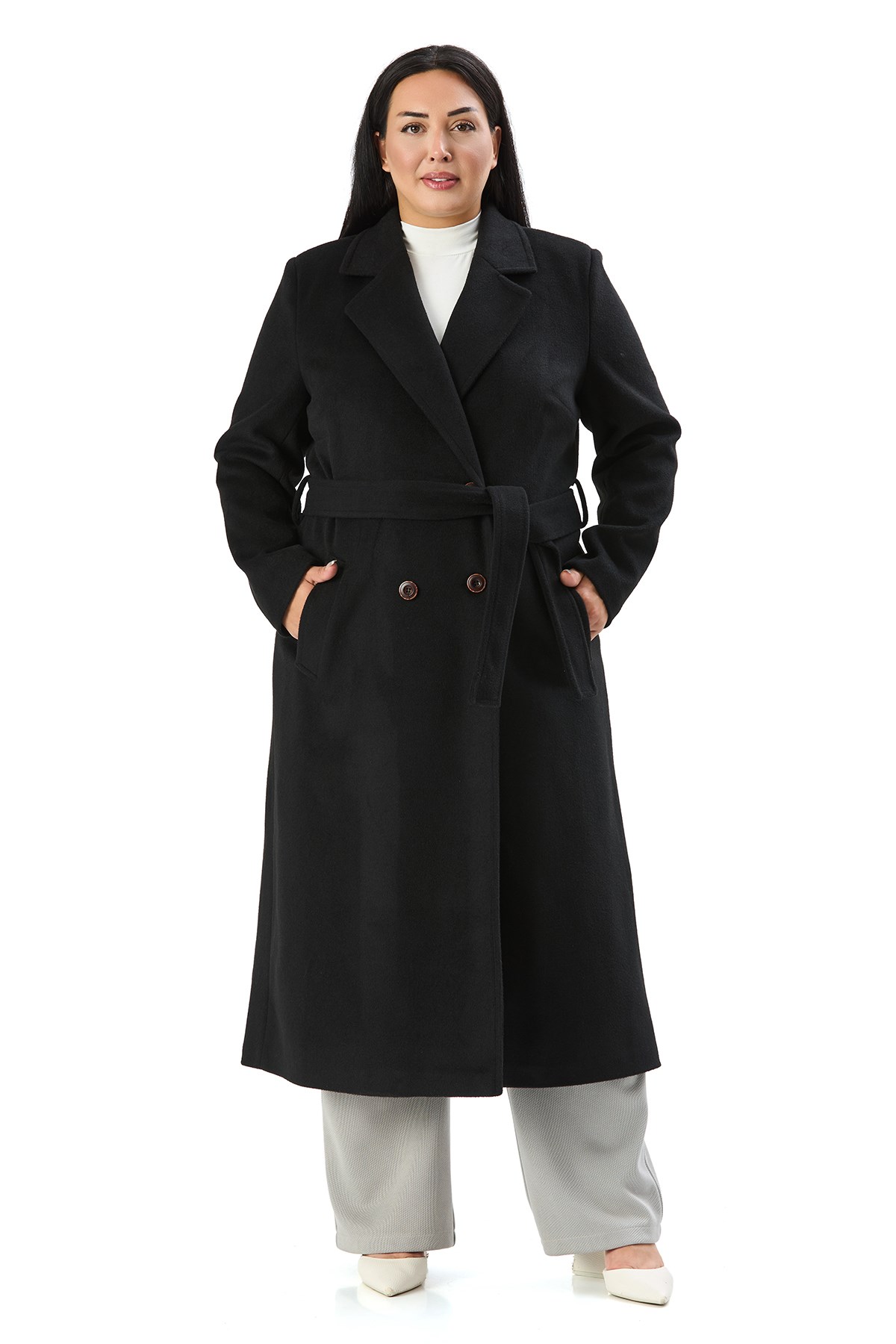
Gulf boutiques serving plus-size customers face a specific problem: strong, year-round demand for modest silhouettes in sizes most European brands stop making. This guide covers how to build that assortment from Istanbul — what sells, how goods move to the GCC, and when to place orders so stock lands before the peaks rather than after them.
Why do Gulf boutiques source plus-size from Turkey?
Three reasons come up repeatedly in conversations with buyers in the UAE, Saudi Arabia, Qatar and Kuwait.
- Size range. Turkish plus-size manufacturing is built around EU 34–60 as a normal working range, not as an extension line. At Disentis Modest the full range is graded in-house rather than scaled up from a base pattern — which is what keeps armholes and sleeve widths wearable at the top of the range.
- Proximity. Istanbul sits within a short air corridor of every major Gulf city, so replenishment is measured in days rather than months. For a boutique whose customer arrives with an event date, that difference decides whether you make the sale.
- Aesthetic overlap. A large share of Turkish plus-size production is already modest by construction — longer lengths, real sleeves, higher necklines, opaque linings. You are not asking a supplier to adapt to your market; you are buying from a market that already dresses this way.
What actually sells in Dubai, Riyadh and Doha?
Demand is not uniform across the Gulf, but the shape of it is consistent enough to plan against. Our guide to what sells in Middle Eastern and African markets goes deeper; the short version for buyers:
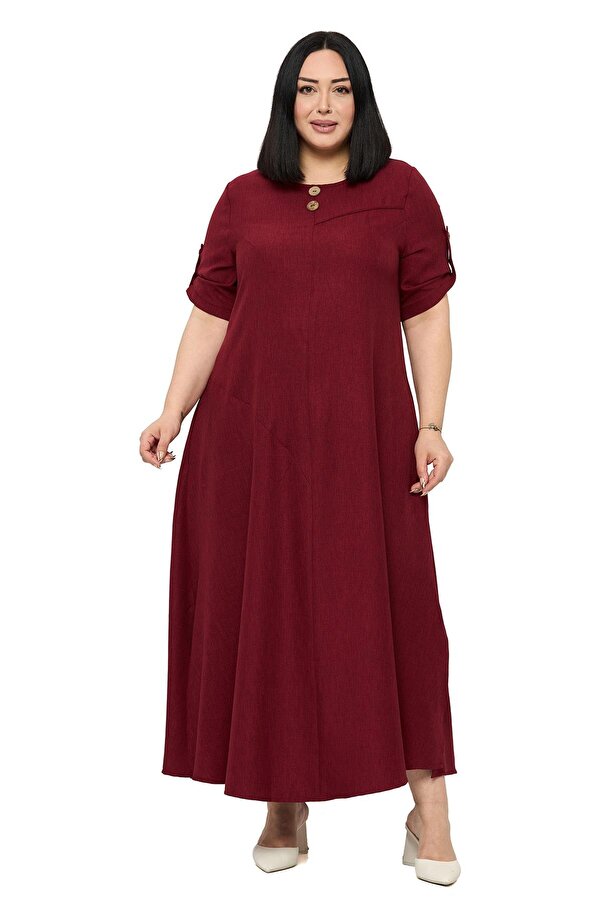
- Kaftans & abaya-adjacent pieces — worn at home, for gatherings and occasions; forgiving across sizes. Specify length graded across the range and opacity when the fabric is stretched.
- Evening and occasion dresses — weddings and family events run all year, not in a single peak. Specify full length, long sleeves, and lining graded to the same size as the shell.
- Co-ord sets — they solve the split-size problem (top and bottom in different sizes). Ask for both pieces from the same dye lot, and mixed-size sets where possible.
- Tunics and long blouses — the everyday workhorse with the highest repeat rate in most Gulf shops. Check fabric weight against heat, plus hip and sleeve measurements.
- Trousers and wide-leg bottoms — sold alongside tunics as a two-piece sale. Check elastic width above size 48 and opacity at the seat.
- Cardigans and light layers — the indoor air-conditioning layer sells all year. Check length, sleeve width and non-clinging fabric.
Two specification points matter more in the Gulf than anywhere else: opacity under tension — a fabric that is opaque flat can fail when stretched over a hip at size 54 — and fabric behaviour in heat, where structured crepes and mid-weight viscose blends generally outperform anything that clings.
How do goods actually move from Istanbul to the GCC?
There are three practical routes, and the right one depends on the size of the order rather than the destination.
- Air freight / air cargo — first orders, replenishment, anything with a date attached. Days rather than weeks; the highest cost per kilo and the default for boutique-sized orders.
- Consolidated road / multimodal — regular, larger replenishment. Longer transit that varies by route and border; a lower cost per kilo, so plan for variability.
- Sea freight — large, heavy consignments only. Weeks of transit; economic at volume, not for a boutique's first order.
Transit times and rates move with fuel, season and carrier capacity, so treat any published figure as indicative and get a live quote against your actual carton dimensions. One thing that catches new importers: air freight is charged on the greater of actual and volumetric weight, so a light, bulky carton can be billed well above what it weighs. Ask for carton dimensions before you compare quotes, and your salesperson can share the packing list, weights and dimensions your forwarder will need.
What should you know about customs and documentation?
Customs rules differ by GCC country and change over time, so this section is orientation, not advice — confirm specifics with a licensed customs broker in your own market before you order. What is consistent across the region:
- Documentation must match. The commercial or proforma invoice, the packing list and the physical contents of the cartons need to agree exactly. Mismatches between these three are the most common cause of delay, everywhere.
- Labelling. Composition, size, care instructions and country of origin should be on the garment label; language and extra-marking requirements vary by country.
- Importer registration. Most GCC markets require a registered commercial entity to import; personal-capacity imports are usually limited to small quantities.
- Duty and VAT vary. Rates and thresholds differ between GCC states and change; your broker will give you the current position for your product codes.
Ask your supplier for written composition and care data for each fabric. You need it for your own labelling, and it is what a broker will ask for first.
How does the ordering cycle work end to end?
- Browse and build a list. Free membership opens prices and live stock, so you can see what is available before you ask. Start with the catalogue.
- Send the list on WhatsApp — style codes, quantities, size preferences. Our guide to ordering efficiently on WhatsApp shows the format that gets a fast, accurate reply.
- Receive a proforma invoice with full company and bank details, quantities, size breakdown and terms — see how proforma invoices and payment usually work.
- Confirm and pay the deposit. Terms are agreed on the proforma, not in chat.
- Production or picking. In-stock styles move quickly; custom production runs from 150 pieces per model.
- Dispatch, documents, delivery. You receive the packing list, weights and dimensions for your forwarder and broker.
Ordering in size sets rather than loose pieces speeds up every step of this. If the term is new, read what a size set is and why Turkish wholesale works this way.
When should you order around Ramadan and Eid?
The Gulf retail year has a clear rhythm, and the mistake almost every first-time buyer makes is ordering when demand starts rather than before it. Customers buy weeks ahead of an occasion, and production plus shipping needs its own window before that. Working backwards from the peak:
- Roughly 3–4 months out — decide the assortment; request fabric details and measurements; place custom production if you are doing any.
- Roughly 2–3 months out — place the main in-stock order; confirm the shipping mode.
- Roughly 6–8 weeks out — goods should be landing; merchandise and photograph.
- Peak selling window opens — reorder your best sellers immediately; do not wait for the rail to empty.
- Immediately after — record what sold by style and size; that record is your next order.
Exact lead times depend on the styles, the quantities and the route, so confirm with your salesperson rather than working from generic figures.
What do first-time Gulf buyers get wrong?
- Buying breadth instead of depth. Ten styles with one piece per size disappoints nine customers. Four styles with a proper size run sells.
- Ignoring the size curve. Demand in plus-size occasionwear concentrates in the middle-to-upper part of the range; a flat spread across 34–60 leaves money at both ends.
- Skipping the fabric questions. Composition, weight, stretch and opacity determine returns far more than design does. Ask before you confirm, not after the cartons arrive.
- Treating the first order as a bet rather than a test. Keep it small, spread across two or three styles, and shipped fast. You are buying information about the supplier and about your own customers.
Ready to build your Gulf assortment? Browse the catalogue — free membership shows live prices and stock — then send your list on WhatsApp and we will come back with a proforma invoice. Questions first? Start with the FAQ.
Frequently asked questions
How long does shipping from Istanbul to Dubai or Riyadh take?
Air freight is the fastest option and is typically measured in days rather than weeks once documents are complete, while consolidated road or multimodal takes considerably longer at a lower cost per kilo. Actual transit depends on the route, carrier and customs clearance in your country. Ask your salesperson for the current position on your destination and get a quote against your real carton dimensions.
Do you produce modest styles specifically, or do I need custom production?
A large part of the in-stock range is already modest by construction — full-length, long-sleeved, high-necked, properly lined — because it is made for markets that dress this way. With 600+ styles and thousands of colour options in stock, most Gulf buyers build a full assortment without any custom work. Custom production is available from 150 pieces per model if you want a specific fabric, colour or modification.
What sizes do you produce?
EU 34 to 60, graded as a working range rather than as an extension of a smaller base size. Goods are normally sold in size sets, which keeps the mix balanced and the picking accurate. If you need a different weighting because of your own sales history, discuss it with your salesperson when you send the list.
Can I mix categories in one order?
Yes — you can combine any models across categories and any sizes within 34–60, as long as the total reaches the $400 order minimum. For most boutiques mixing is the sensible approach, because it spreads freight cost across a broader assortment and shows you which categories move fastest in your own shop before you commit to depth.