 · EST. 1998
Buying Wholesale Plus-Size Clothing from Turkey for EU Boutiques (Germany & Western Europe)
Turkey sits inside a customs union with the EU and a short road corridor from Central Europe — which changes the arithmetic of importing. What that means in practice for a German, Austrian, Dutch or French boutique.
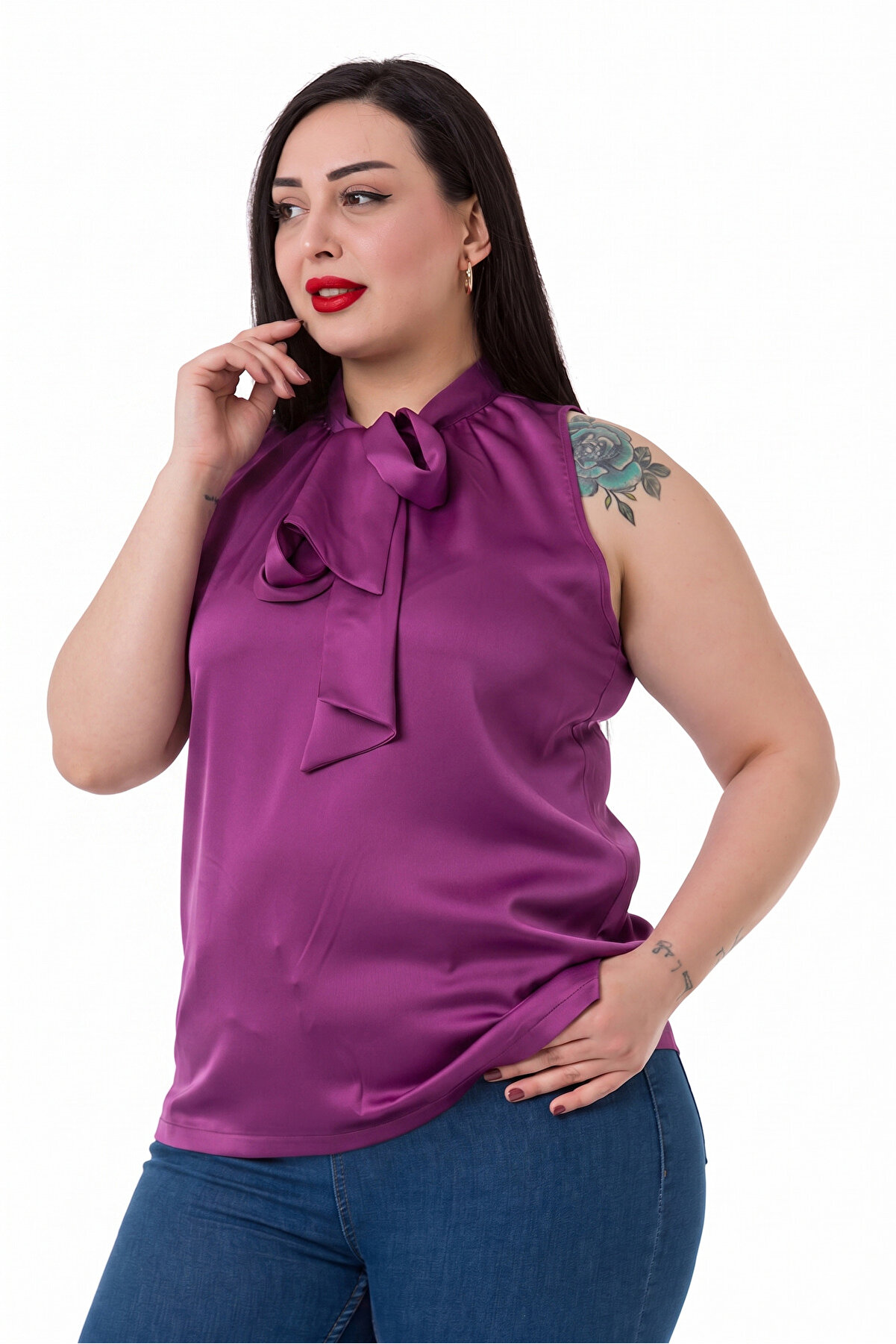
For European boutiques, Turkey occupies an unusual position: close enough for fast replenishment, and inside a customs union that changes the arithmetic of importing compared with sourcing from Asia. This guide covers what that means in practice for a German, Austrian, Dutch or French boutique buying plus-size stock.
Why do European boutiques source plus-size from Turkey?
- Lead time. Istanbul to Central Europe is a short freight corridor. A style that sells out can often be back on the rail in a fraction of the time a longer-haul reorder would take — which is what makes an actual reorder strategy possible rather than theoretical.
- Size range as standard. EU 34–60 across the range, graded properly. In much of the European market plus-size is treated as an extension of a mainstream line, and the fit above EU 48 shows it. Buying from a manufacturer whose entire range is built around these sizes is a different proposition.
- Smaller minimums than long-haul sourcing. Container-scale minimums are not realistic for an independent boutique. Ordering in size sets from in-stock goods lets you buy at a scale that matches your shop, and custom production is available from 150 pieces per model when you want something specific.
- Reorderability. With 600+ styles and thousands of colour options held in stock, a proven seller can usually be repeated rather than hunted for. That single fact changes how you plan a season.
How does the EU–Turkey customs union affect your import?
Turkey and the EU operate a customs union covering industrial products, which includes most apparel. In practice, goods in free circulation moving from Turkey into the EU are commonly accompanied by an A.TR movement certificate — the document your customs agent will look for. What this means for you as a buyer, in general terms:
- The A.TR is issued and certified on the Turkish side; ask your supplier to confirm it will accompany the shipment.
- Import formalities in your own country still apply — an A.TR is not the same as no paperwork.
- Rules, documentation requirements and the treatment of specific goods change over time.
Confirm the current position with a licensed customs agent or your own broker before you order. This section is orientation only.
What about VAT and other charges?
Import VAT is a national matter and is handled in the country where the goods land, at that country's rate. For a VAT-registered business, import VAT is generally recoverable through the normal return, but you still need the cash at the point of import, and the mechanics differ by member state — Germany's postponed-accounting treatment is not identical to the Netherlands' or France's.
Alongside VAT, expect handling charges from your forwarder, customs agent fees and local delivery. These are usually modest relative to the goods value, but they belong in your landed-cost calculation rather than as an afterthought. This is general information, not tax advice — rates, thresholds and procedures change, so speak to your accountant or customs agent about your specific situation. For how the goods cost itself is built up, see our wholesale price guide.
How long does delivery to Germany and Western Europe take?
- Air freight — first orders and urgent replenishment. The fastest mode and the highest cost per kilo, charged on volumetric weight where that is greater.
- Road / consolidated trucking — the standard mode for Turkey–EU apparel and the workhorse of this corridor: a good balance of cost and speed for regular replenishment and larger orders.
- Express courier — samples and very small quantities only; not economic for a full order.
Transit varies with route, border traffic and season, so ask your salesperson for the current indication for your destination and build a buffer into anything you have promised a customer.
How do Turkish sizes map to EU sizing?
Turkish sizing uses the same numbering as continental European sizing, which makes the mapping straightforward for German, Austrian and French buyers — the UK and US equivalents are where confusion starts. The full breakdown is in our plus-size measurements guide; the working summary:
- TR/EU 44 = UK 16 = US 12
- TR/EU 48 = UK 20 = US 16
- TR/EU 52 = UK 24 = US 20
- TR/EU 56 = UK 28 = US 24
- TR/EU 60 = UK 32 = US 28
Two cautions. These are conversions between numbering systems, not guarantees of fit — always work from the actual flat measurements of the garment. And ask for the measurements of the largest size you intend to stock, not the sample size, because that is where grading decisions show up.
What does the German plus-size customer expect?
- Restraint over decoration. Fewer embellishments, better fabric, cleaner lines. A co-ord set in good crepe frequently outperforms a heavily decorated dress at the same price point.
- Fabric transparency. Composition and care are read, not ignored. Have the data ready and put it on the label correctly.
- Everyday over occasion. The demand skew is towards wearable daily pieces — blouses, trousers, knitwear, co-ords — with occasionwear a smaller share than in Gulf or West African markets.
- Fit above EU 48 as the differentiator. This is the practical gap in much of the German market. If your fit is genuinely good at 52, 56 and 60, that becomes your reason to exist as a boutique.
How should a first order be structured?
Keep it small enough to absorb a mistake and broad enough to judge consistency — in practice, two or three styles rather than one, ordered in size sets, from a category you already understand. A sensible sequence:
- Register for free membership to see live prices and stock, and build a list from the catalogue.
- Request the flat measurements of your largest sizes and the composition and weight of each fabric, in writing.
- Ask whether the styles you have chosen can be repeated in a few weeks — that answer determines which ones deserve to be core.
- Send the list on WhatsApp and confirm the proforma invoice — the efficient WhatsApp format.
- Ship by road or air depending on how quickly you need the goods on the floor.
- Record sales by style and size, and reorder your winner before it runs out.
If you are planning an ongoing supply relationship rather than a one-off purchase, see how we work.
What paperwork should you ask for?
- Proforma invoice with full company details, style codes, quantities, size breakdown and terms
- Packing list matching the invoice and the actual carton contents exactly
- Carton dimensions and gross/net weights for your forwarder
- A.TR movement certificate where applicable — confirm with your supplier and your agent
- Written composition and care data for each fabric, for your own labelling
The single most common cause of customs delay anywhere is a mismatch between the invoice, the packing list and what is physically in the box. Getting those three to agree is worth more than any other preparation.
Start your EU order: browse the catalogue with free membership for live prices and stock, then send your list on WhatsApp for a proforma invoice. Common questions are answered in the FAQ.
Frequently asked questions
Do I pay customs duty on clothing imported from Turkey into the EU?
Turkey and the EU operate a customs union covering industrial goods including most apparel, and shipments are commonly accompanied by an A.TR movement certificate. The practical treatment of your specific shipment depends on your own country's import formalities and on current rules, which change. Confirm with a licensed customs agent in your country before ordering rather than relying on general information.
How is import VAT handled?
Import VAT is charged in the country where the goods enter, at that country's rate, and for a VAT-registered business it is generally recoverable through the normal return. The mechanics differ between member states, so the cash-flow effect depends on where you are and how you are registered. This is general information rather than tax advice — check with your accountant.
What is the minimum order?
Goods are sold in size sets from the in-stock range, and you can mix any styles, colours and sizes as long as the order total reaches the $400 minimum — practical for an independent boutique rather than container-scale. Custom production, where you specify fabric, colour or modifications, starts from 150 pieces per model.
Can I reorder the same style later in the season?
Usually yes, which is the main advantage of buying from a manufacturer rather than a trading company. With 600+ styles held in stock and in-house production since 1998, a proven seller can generally be repeated. Ask specifically which of your chosen styles can be repeated before you build your core assortment around them.